
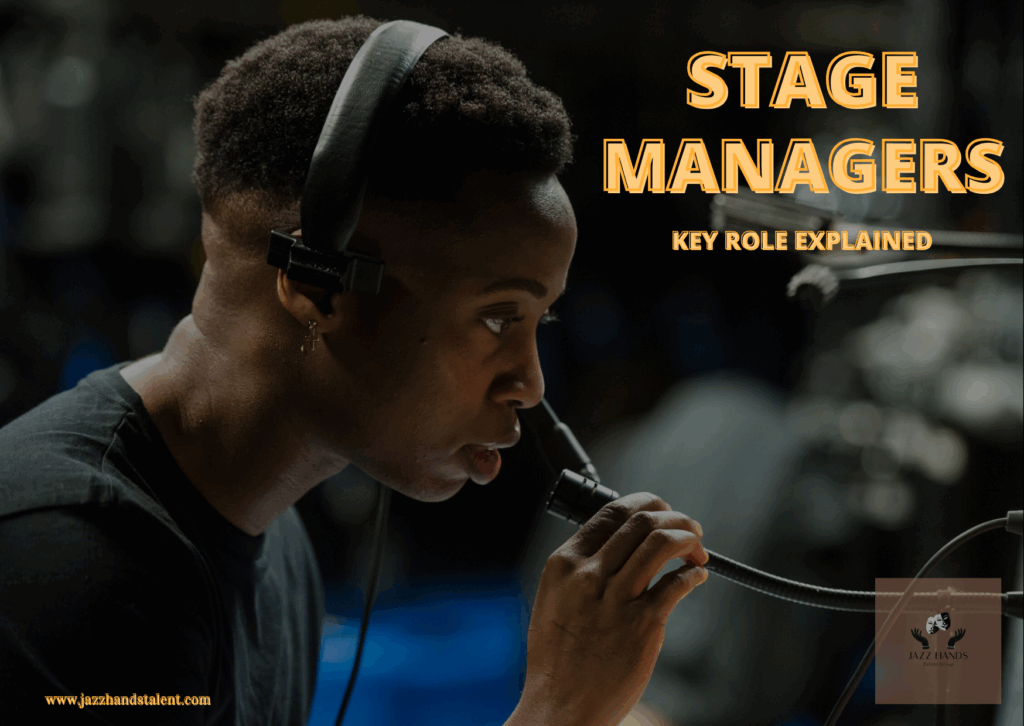
When you settle into your seat at a theatre, ready to be swept away by a captivating performance, you’re witnessing the culmination of countless hours of hard work. While the actors on stage rightfully command attention, there’s a vital, often unseen, individual whose meticulous organization and unwavering dedication ensure that the magic unfolds seamlessly: the Stage Manager.
So, what exactly does a stage manager do? In essence, they are the central nervous system of a theatrical production, from the very first rehearsal to the final curtain call. They are the linchpin that connects the artistic vision with the practical execution, ensuring everyone is on the same page and that the show runs like a well-oiled machine.
Let’s break down some of the key facets of this indispensable role:
The Production’s Right Hand (and Left Hand, and Brain!)
Before rehearsals even begin, the stage manager is hard at work. They are responsible for:
- Scheduling and Communication: Creating and distributing schedules for rehearsals, fittings, meetings, and performances. They are the primary point of contact for everyone involved in the production, relaying information between departments and ensuring clear communication.
- Documentation: Keeping meticulous records of all blocking, cues, props, costumes, and set pieces. This often involves creating detailed prompt books that serve as the “bible” for the show.
- Rehearsal Management: During rehearsals, the stage manager is constantly present, taking notes, tracking changes, and ensuring that the director’s vision is accurately implemented. They manage breaks, call actors, and help maintain a productive and professional environment.
Bridging the Gap: From Rehearsal to Performance
As the production moves from the rehearsal room to the stage, the stage manager’s role shifts and intensifies. They become:
- The Technical Liasion: Working closely with the lighting, sound, set, and costume designers, they ensure that all technical elements are integrated smoothly and accurately. They are often responsible for calling cues during technical rehearsals.
- Safety Officer: Ensuring the safety of the cast and crew is paramount. The stage manager is vigilant about potential hazards and ensures that all safety protocols are followed.
- The Performance Conductor: Once the show opens, the stage manager is “running the show.” From the wings or a designated booth, they are calling lighting cues, sound cues, scene changes, and actor entrances. Their precise timing and calm demeanor are crucial for a smooth performance. If something unexpected happens on stage, they are often the first point of contact and problem-solver.
More Than Just a Taskmaster: A Leader and Supporter
Beyond the practicalities, a great stage manager is also:
- A Problem-Solver: Theatre is inherently unpredictable. Set pieces can break, actors can get sick, and unexpected challenges arise. The stage manager is adept at thinking on their feet and finding solutions quickly and efficiently.
- A Confidante and Mediator: They often serve as a trusted point of contact for actors and crew members, offering support, mediating conflicts, and fostering a positive working environment.
- The Keeper of the Artistic Vision: They are the guardians of the director’s original intent, ensuring that every performance adheres to the established blocking, pacing, and technical specifications.
The stage manager is the unsung hero of the theatre. While they may not be in the spotlight, their dedication, organizational prowess, and ability to keep a thousand moving parts in sync are absolutely critical to bringing a theatrical production to life. So, the next time you enjoy a show, take a moment to appreciate the invisible hand of the stage manager, working tirelessly behind the scenes to make the magic happen.